While you may panic when you hear the word “anesthesia,” you should be encouraged to know that in veterinary medicine anesthesia is routine and planned for many different procedures throughout the day. Anesthesia is a surgical deep sleep, while keeping the pet comfortable, still, and stable while maintaining equilibrium.
When is Anesthesia used?
Some treatments can’t be done while the animal is awake. Take a dental procedure as an example. A dog may tolerate a brief measure of effort to keep it still for a brief period of time, but that doesn’t mean it will be still while a veterinarian works to clean every tooth and the gums.
The same can be said for certain surgeries or diagnostics. An animal that is in pain can become unsafe and more difficult to perform on and more dangerous to the doctor performing the treatment. Learn more
What happens before the Anesthetic?
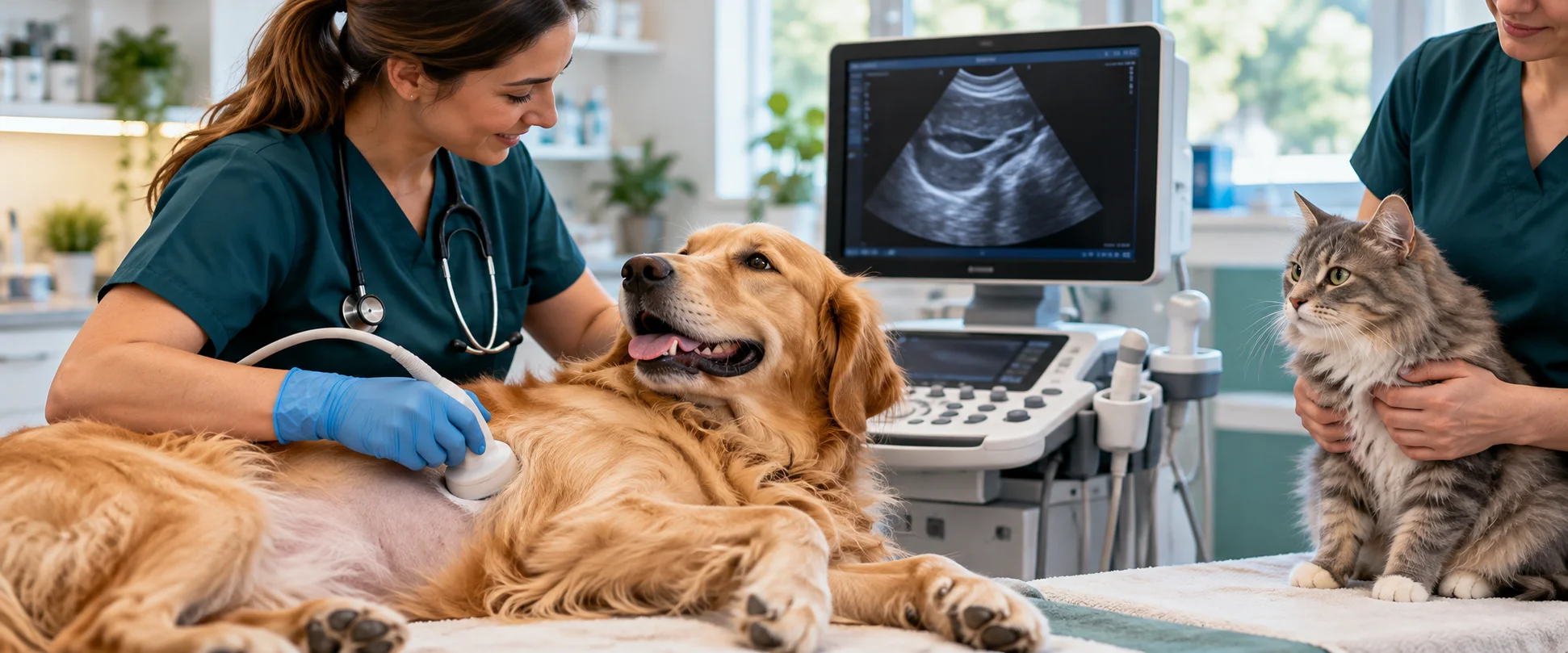
Every anesthetic plan is unique. Before administering an anesthetic, the veterinarian does a full assessment and reviews the owner’s history for the pet. The veterinarian must consider the pet’s age, weight, health, medications, and problems the pet has. The veterinarian also has to consider the previous reaction to anesthesia.
Blood work helps veterinarians before the surgery to understand the function of the organs and whether any organ might need more attention. Recommending blood work is often more imperative for senior pets or those with chronic health issues.
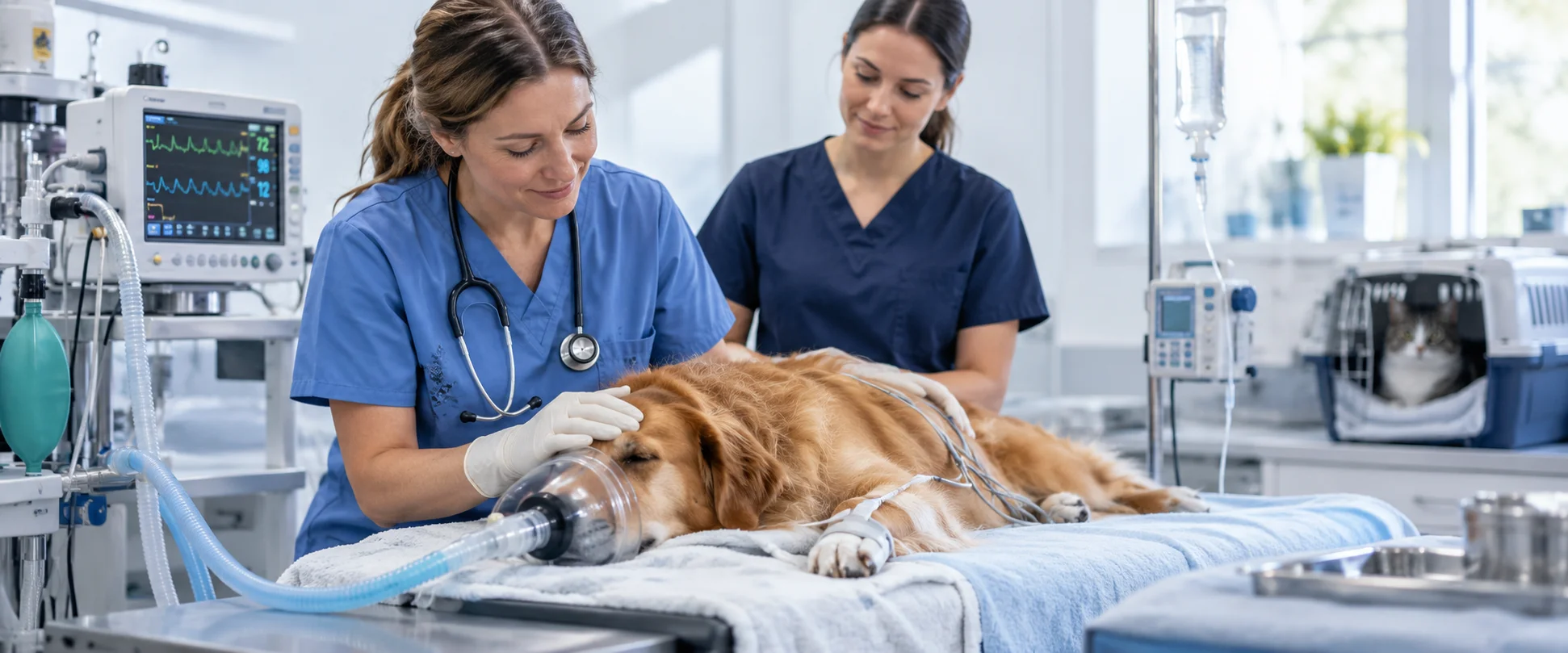
During the surgery, anesthesia is administered and the veterinarian continues to monitor the breathing, heart rate, blood oxygen levels, the blood pressure of the pet and the body temperature. The equipment used to monitor the pet is often determined on the species, as well as the specific surgery.
The veterinarian will monitor the pet for signs of distress, and will act based upon the changes in the pet’s vital signs before the distress is recognized.
At Alpenlofts Veterinary Hospital, the veterinarian staff pre-surgery the pet to answer the owner’s questions on the anesthesia and the monitoring equipment that will be utilized for their pet’s surgery.
The recovery process for the pet is as very important as the preparation for surgery.
Once the surgery is complete, the grogginess of the pet during the recovery process will leave the pet momentarily confused and drugged.
The veterinarian staff will advise the owner as to when the pet can begin to eat and drink. The staff will also advise the owner when the pet can exercise and return to the original routine.
FAQ
1. Is anesthesia safe for animals?
Anesthesia will always have risks; however, careful patient assessment, proper medication, and monitoring will greatly reduce risks.
2. Can older pets have anesthesia?
Yes. Older pets can have anesthesia when appropriate. The overall health of the animal is always taken into consideration when an anesthetic plan is developed.
3. What is the recovery process and how long does it take?
The recovery process and the time it takes will depend on the procedure and the individual animal. In many cases, pets may feel excessively sleepy for a period of time after a procedure.
4. What should I ask my veterinarian prior to anesthesia?
Make sure to ask the veterinarian about the pre-anesthetic care, what will be monitored during the procedure, the length of time it will take for the pet to recover, and the signs you should look for when your pet is at home.
A simple conversation can make a big difference.
Ask your veterinarian to walk you through their process for preparing your pet for anesthesia, the different monitoring procedures they will complete, and what to expect following your pets procedure.
Feel free to contact your veterinarian Team to learn more about the procedure your pet will undergo and to learn about their process for making your pet comfortable.