Keeping your dog safe on Squamish trails means matching the hike to their fitness, bringing enough water, protecting their paws, checking for ticks afterward, and watching for signs of overheating. Build up slowly, stay on marked trails, and keep your dog leashed near wildlife. The team at Alpenlofts Veterinary Hospital can help you get your dog trail-ready.
Squamish is a dog paradise, with a few real risks
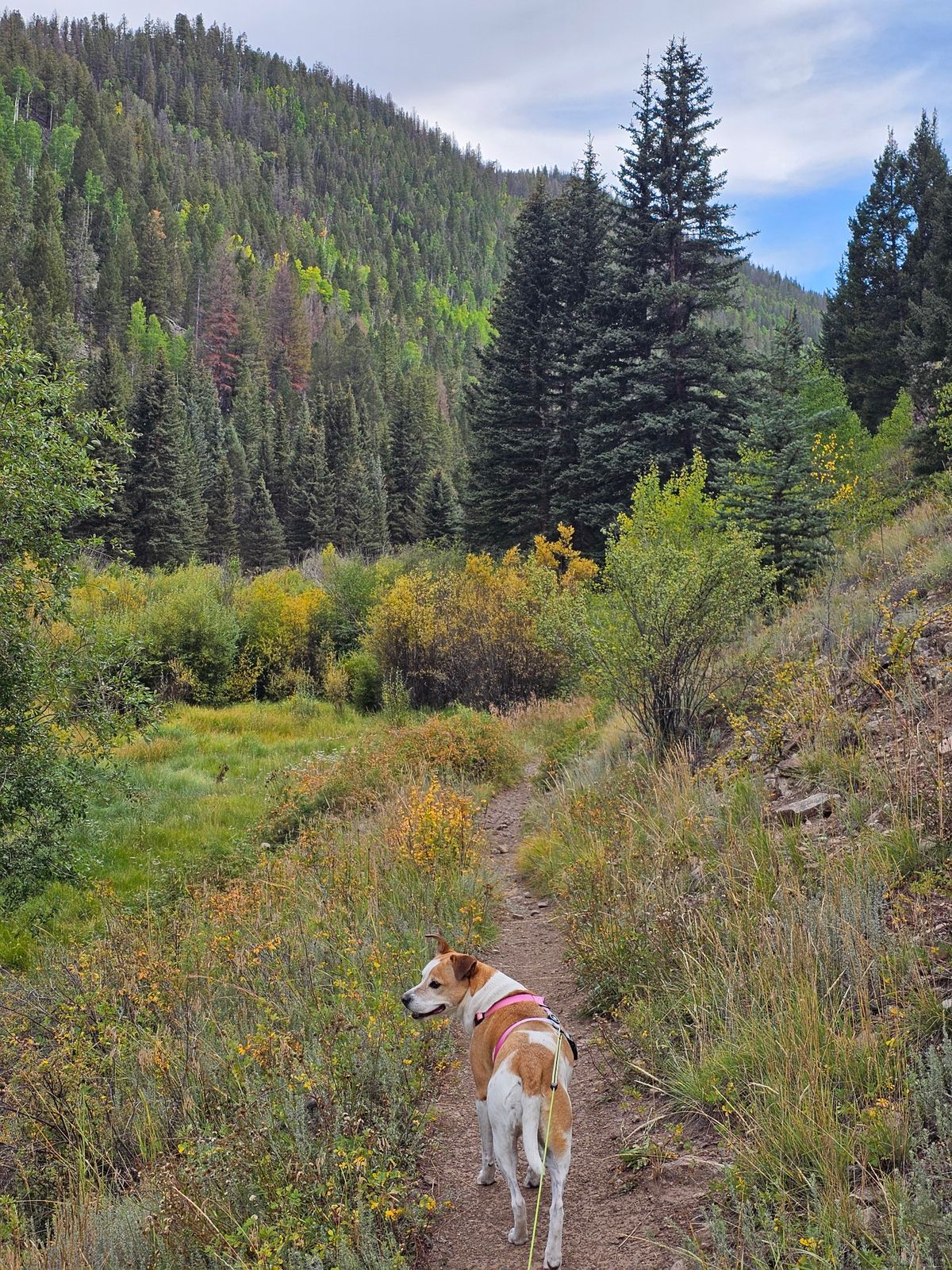
Few places are better for an active dog than Squamish. Forest trails, river paths, and mountain routes are right on your doorstep, and most dogs would happily hit the trail every day. That access is a gift, but the same terrain that makes Squamish special also brings hazards that a backyard never does: steep ground, fast water, summer heat, wildlife, and ticks in the long grass.
A little preparation turns a risky outing into a safe one. Knowing your dog’s limits, packing a few essentials, and recognizing the early signs of trouble lets you enjoy the trails together with confidence rather than worry.
Before you go: is your dog ready for the trail?
Not every dog is ready for a long or steep hike. Puppies with growing joints, senior dogs, flat-faced breeds that struggle to cool down, and dogs carrying extra weight all need a gentler approach. Build fitness gradually rather than attempting a big summit on the first warm weekend, and let your dog set a reasonable pace.
It is also worth making sure the basics are current before heading into the backcountry. Our wellness programs keep vaccinations and parasite prevention on schedule, which matters more when your dog meets wildlife, drinks from creeks, and walks through tick habitat. Regular pet care services give your veterinary team a baseline, so they know your dog if a problem ever comes up.
Water, heat, and knowing when to turn back
Dehydration and heatstroke are two of the most common warm-weather emergencies we see. Dogs cool themselves mainly by panting, and on an exposed Squamish trail in full sun, body temperature can climb fast. Carry more water than you think you need, offer it often, and rest in the shade. Heavy or frantic panting, drooling, bright red gums, wobbliness, or a dog that lies down and will not get up are all signs to stop, cool your dog with water, and head for help. On hot days, hike early or late and skip the midday push entirely.
Protecting paws and watching for trail injuries
Rough rock, hot surfaces, and long distances take a toll on paws. Check the pads before and after a hike for cuts, cracks, or worn spots, and build up tougher pads gradually with regular walking. Sprains and strains happen too, especially on uneven ground. If your dog is limping, holding up a leg, or slowing down suddenly, stop and rest. Persistent limping or a painful, swollen leg after a hike is worth a call, and our medical services can assess and treat trail injuries before they worsen.
Ticks, wildlife, and water hazards
Ticks are active across much of the year around Squamish, and they can carry Lyme disease and other infections. After every hike, run your hands over your dog and check the ears, neck, armpits, and between the toes, removing any tick promptly. Keep your dog leashed near wildlife to avoid dangerous encounters, and discourage drinking from standing water or slow creeks, which can carry parasites like giardia that cause stomach upset. Timely diagnostics such as bloodwork or fecal testing help your veterinary team get to the bottom of any illness that follows an outing.
Conditioning, recall, and trail manners
Trail fitness is built, not assumed. Just as people train before a big climb, dogs do best when distance and difficulty increase gradually over several weeks, which lets muscles, joints, and paw pads adapt. A reliable recall matters just as much as fitness. A dog that comes when called is far safer around cliff edges, wildlife, mountain bikes, and other trail users, and the whole outing is less stressful for everyone. Practice recall in quiet areas before relying on it in busy or exposed terrain, and keep early outings short and positive so your dog learns to associate the trail with good experiences.
Mountain weather and water add their own considerations. Cold rivers and lakes can chill a dog quickly, and strong currents are dangerous even for confident swimmers, so supervise water play and stay away from fast-moving water. Bring an extra layer for rest stops on cool, high routes, and remember that a tired dog is more prone to slips and strains on the way down, which is often when injuries happen. Plan your turnaround time so you are not finishing a hard descent with an exhausted dog as the light fades.
What to pack, and when to call the vet
A simple kit makes a real difference: plenty of water and a collapsible bowl, a basic first-aid kit, a leash, tick removal tweezers, and your dog’s identification. Build the habit of a post-hike check at the car. Call your veterinarian promptly if your dog shows signs of overheating, will not bear weight on a leg, has a wound that keeps bleeding, vomits repeatedly, or simply is not bouncing back the way they usually do.
Frequently asked questions
How long a hike can my dog handle?
It depends on age, breed, fitness, and the weather. Start with shorter, easier trails and build up gradually. When in doubt, ask your veterinary team for advice based on your dog’s health.
How do I know if my dog is overheating on the trail?
Watch for heavy panting, drooling, bright red gums, stumbling, or collapse. Stop immediately, move to shade, offer water, and cool your dog. Overheating can become an emergency quickly, so call a clinic if it does not improve fast.
Do dogs in Squamish really need tick prevention?
Yes. Ticks are common in the grassy and forested areas around town and can spread disease. Year-round prevention and a post-hike check are the safest approach.
Should my dog be on a leash on the trails?
In many areas yes, both for the rules and for safety. A leash protects your dog from wildlife encounters, cliff edges, and fast water, and protects local wildlife too.