Helping Your Pet Thrive Through Smart Daily Nutrition
Every pet owner wants to see their companion stay active, comfortable, and full of energy through every stage of life. Food plays a major part in that goal, yet many owners are unsure whether they are choosing the right diet, portion size, or feeding routine. Small changes in nutrition can influence weight, digestion, skin condition, mobility, and overall wellness.
At Alpenlofts Veterinary Hospital in Squamish, Nutrition Counseling for pets helps owners make informed feeding decisions based on their animal’s age, breed, activity level, body condition, and existing health concerns. Rather than relying on online trends or marketing claims, veterinary advice brings practical direction that fits each pet’s real needs.
Why Nutrition Matters Every Day
Nutrition affects nearly every system in a pet’s body. The right balance of nutrients supports healthy muscles, bones, organs, and immune function while also helping maintain an ideal body weight. Feeding routines also influence digestion, hydration, energy levels, and even behavior.
Because every pet is different, a diet that works well for one animal may not be suitable for another. Puppies, kittens, adult pets, seniors, working dogs, indoor cats, and animals with medical conditions all have different dietary needs.
1. Nutrition Counseling Helps Maintain a Healthy Weight
One of the most common concerns seen in veterinary clinics is unhealthy weight gain. Carrying extra weight places additional stress on joints, the heart, and other organs. It may also reduce mobility and increase the chance of chronic health problems.
Regular body condition assessments allow a veterinarian to recommend suitable portion sizes and feeding schedules. Even a small adjustment in calorie intake can make a meaningful difference over time.
Weight management is not simply about feeding less food. It involves choosing suitable ingredients, monitoring progress, limiting unnecessary treats, and creating realistic goals that fit the pet’s lifestyle.
2. Supports Every Life Stage
Nutritional requirements change throughout life.
Growing puppies and kittens need diets that support healthy development. Adult pets require balanced nutrition that matches daily activity. Senior animals often benefit from adjustments that help maintain muscle mass and support comfortable movement.
Life-stage feeding helps avoid nutritional gaps while preventing unnecessary calories. Regular evaluations also make it easier to update feeding plans whenever a pet’s needs change.
3. Can Help Manage Digestive Issues
Digestive upset can appear as vomiting, diarrhea, constipation, excessive gas, or inconsistent stools. While these symptoms may have many causes, food choices frequently play a role.
Veterinary nutritional guidance may identify foods that are easier to digest or recommend gradual dietary transitions that reduce stomach irritation. Owners also learn how feeding frequency, portion control, hydration, and treats influence digestive health.
Monitoring these changes over time allows feeding routines to be adjusted whenever needed.
4. Encourages Healthy Skin and Coat
A healthy coat often reflects internal wellness. Dry skin, excessive shedding, dull fur, or recurring skin irritation Dietary imbalances can sometimes lead to dry skin, excessive shedding, dull fur, or recurring skin irritation. to dietary imbalance.
Essential fatty acids, vitamins, minerals, and quality protein all contribute to healthy skin and coat conditions. Choosing foods with suitable nutrient levels can support normal skin function and maintain a glossy coat throughout the year.
Routine nutritional reviews also help determine whether food sensitivities should be investigated.
5. Supports Joint Comfort and Mobility
As pets age, movement often becomes more challenging. Large breeds may also place additional stress on their joints throughout life.
Maintaining an appropriate body weight reduces unnecessary pressure on hips, knees, elbows, and the spine. Certain nutrients may also contribute to healthy joint function when included as part of an overall feeding strategy.
Combining nutrition with regular exercise and routine veterinary examinations helps pets remain active for longer.
6.Helps Address Medical Conditions
Many health conditions require careful dietary planning. Kidney disease, diabetes, urinary concerns, liver disease, allergies, and gastrointestinal disorders often benefit from nutritional adjustments recommended by a veterinarian.
These feeding plans are monitored over time to ensure they continue meeting the pet’s changing requirements. Periodic reviews allow diets to evolve alongside treatment plans and routine health evaluations.
Owners also receive practical information about meal timing, hydration, safe treats, and food transitions.
7. Builds Healthy Feeding Habits
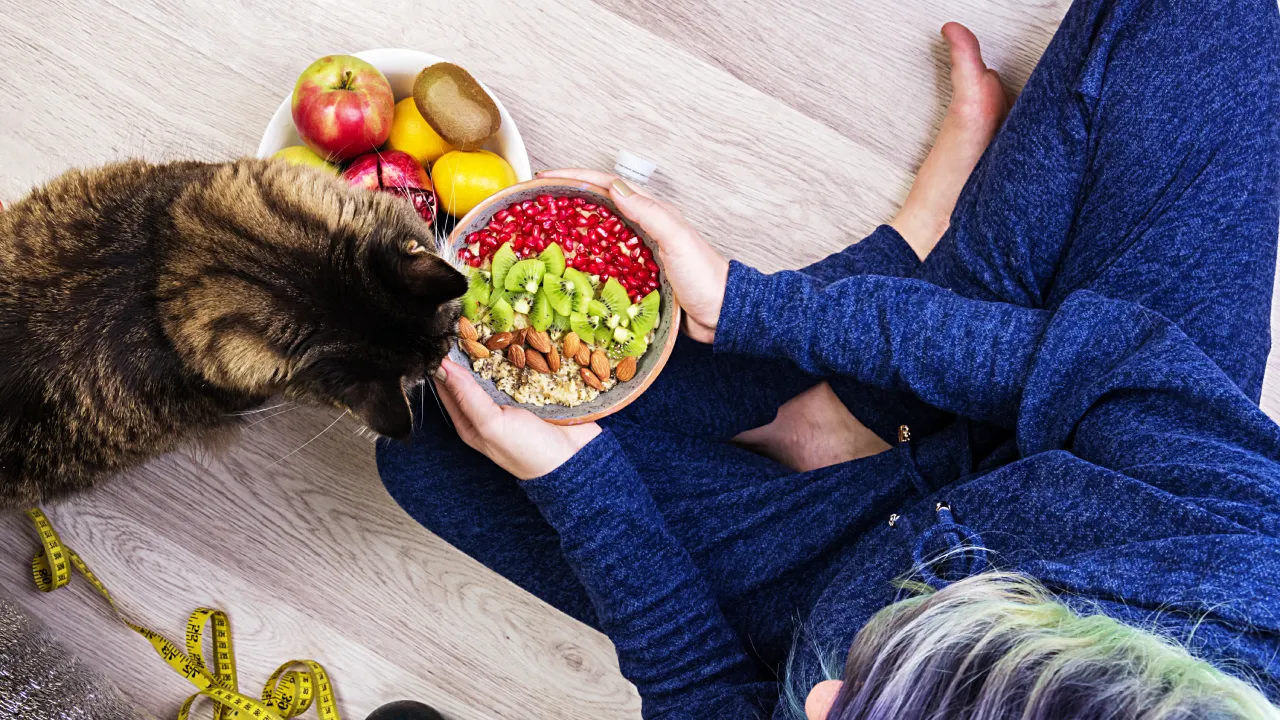
Many owners unintentionally create feeding habits that contribute to long-term problems. Free feeding, excessive table scraps, frequent treats, and inconsistent meal times can gradually affect body condition.
Developing healthy feeding routines creates consistency for both pets and owners. Measuring meals, following scheduled feeding times, introducing new foods slowly, and tracking body weight all contribute to healthier daily habits.
These routines are often simple to maintain once they become part of everyday life.
9 Feeding Tips Shared During Nutrition Counseling for pets
During Nutrition Counseling for pets, veterinarians frequently discuss practical feeding habits that owners can apply at home.
- Measure every meal instead of estimating portions.
- Follow regular feeding times each day.
- Change diets gradually across several days.
- Keep fresh drinking water available at all times.
- Limit high-calorie treats and account for them within daily food intake.
- Avoid feeding large amounts of table scraps.
- Monitor body condition every month rather than relying solely on body weight.
- Read ingredient labels carefully and discuss diet changes with a veterinarian.
- Schedule routine nutritional reviews as pets age or develop new health conditions.
Simple habits often create noticeable improvements over time without making feeding routines difficult.
What Are the Signs Your Pet May Need Nutrition Counseling?
Many owners assume their pet’s diet is suitable until obvious problems appear. Nutrition Counseling for pets may be worth considering if you notice any of the following:
- Unexpected weight gain or weight loss
- Low energy during normal activities
- Frequent digestive upset
- Chronic loose stools or constipation
- Dry skin or excessive shedding
- Recurring ear or skin irritation
- Difficulty maintaining muscle tone
- Increased thirst alongside dietary concerns
- Food allergies or suspected food sensitivities
- A recent diagnosis requiring dietary changes
- Transitioning into senior years
- Questions about puppy or kitten feeding
Early nutritional discussions often help identify concerns before they become more difficult to manage.
Why Choose Alpenlofts Veterinary Hospital in Squamish?
Alpenlofts Veterinary Hospital works with pet owners throughout Squamish to support healthy feeding habits across every stage of life. Each nutritional discussion considers your pet’s current health, lifestyle, body condition, medical history, and future wellness goals.
Routine nutritional evaluations can also work alongside wellness examinations, helping owners stay informed as their pets grow, age, or develop changing dietary requirements.
Whether you have a playful puppy, an energetic adult dog, a senior cat, or a pet managing an ongoing medical condition, consistent nutritional planning can contribute to healthier daily living.
Frequently Asked Questions
1. How often should my pet receive nutritional evaluations?
Many healthy pets benefit from a nutritional review during annual wellness visits. Pets with medical conditions, weight concerns, or changing dietary needs may require more frequent discussions.
2. Can nutrition influence my pet’s energy levels?
Yes. A balanced diet that matches your pet’s age, activity level, and body condition can contribute to steady energy throughout the day.
3. Should I change my pet’s food suddenly?
No. A gradual transition over several days helps reduce digestive upset and allows your pet to adjust more comfortably.
4. Is homemade pet food suitable?
Some homemade diets can work when carefully formulated. However, many recipes found online may not contain balanced nutrition. Speak with your veterinarian before making significant dietary changes.
5. When should I book a nutrition appointment?
Consider scheduling a visit if your pet has weight changes, digestive issues, skin concerns, food sensitivities, a newly diagnosed medical condition, or is entering a new stage of life.
Contact Alpenlofts Veterinary Hospital.
If you would like practical advice about your companion’s diet, schedule Nutrition Counselingfor pets at Alpenlofts Veterinary Hospital in Squamish. The veterinary team can review your pet’s current feeding routine, discuss dietary questions, and help you build healthy habits that support daily wellness. Contact the clinic today to arrange an appointment.