Why Pet Grooming Matters for Squamish Families
For many pet owners, grooming can seem like a cosmetic task. A bath, brush, nail trim, or coat tidy may appear to be about keeping a dog or cat looking neat. In reality, regular grooming can play a practical role in cleanliness, comfort, skin care, and early awareness of changes in a pet’s body. For families in Squamish, where pets may spend plenty of time outdoors, routine coat and paw care can be especially useful.
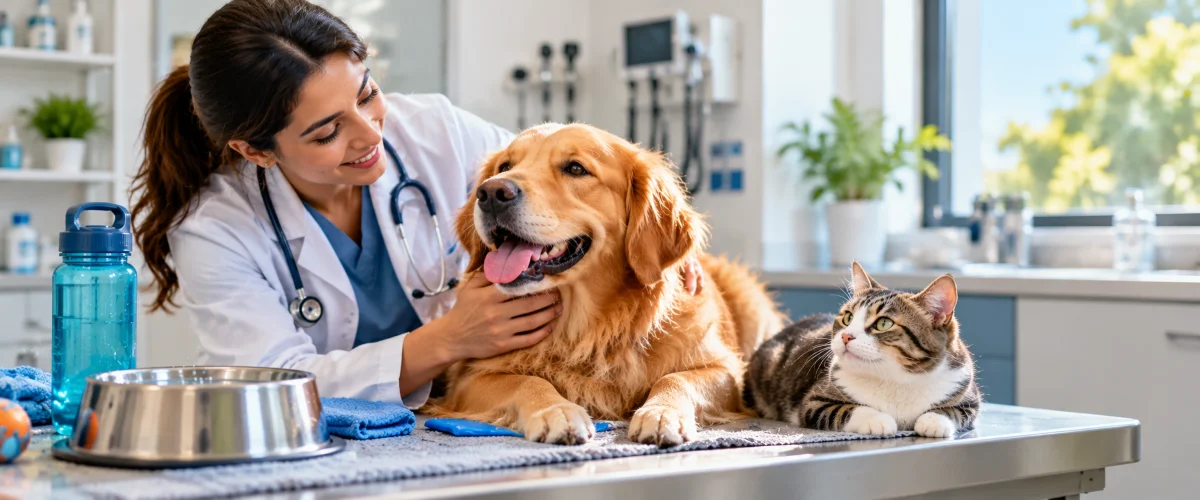
At Alpenlofts Veterinary Hospital, grooming is part of the range of pet care available to local families. The hospital serves Squamish and the Sea to Sky corridor, making routine pet care easier to connect with veterinary support when a concern appears.
1. Grooming Can Help Keep the Skin and Coat Clean
Pets can collect dirt, pollen, dust, plant material, moisture, and other debris in their coats, especially after outdoor activities. Grooming Services can help remove loose fur, surface dirt, and buildup, while brushing helps reduce tangles.
Regular coat care also gives owners an opportunity to notice changes such as redness, flakes, bumps, unusual odour, or altered coat texture. If a pet develops persistent itching, sores, swelling, discharge, or sudden skin changes, a veterinary assessment may be needed.
2. Regular Brushing Can Reduce Mats and Tangles
Mats develop when loose hair becomes trapped within a pet’s coat. They are common in pets with long, thick, curly, or silky hair, though any coat can become tangled when brushing is infrequent. Tight mats may pull on the skin and cause discomfort, while moisture trapped underneath can contribute to skin irritation. Removing severe mats at home can also be risky, especially when they sit close to the skin.
Grooming Services may include brushing and careful removal of manageable tangles. The right grooming schedule varies according to coat type, age, lifestyle, and tolerance for handling. Owners can make brushing easier by keeping sessions short, staying calm, andoffering rewards afterward. If a coat has severe matting or the skin underneath appears irritated, contact a veterinary team before attempting removal at home.
3. Nail Care Can Support Normal Movement
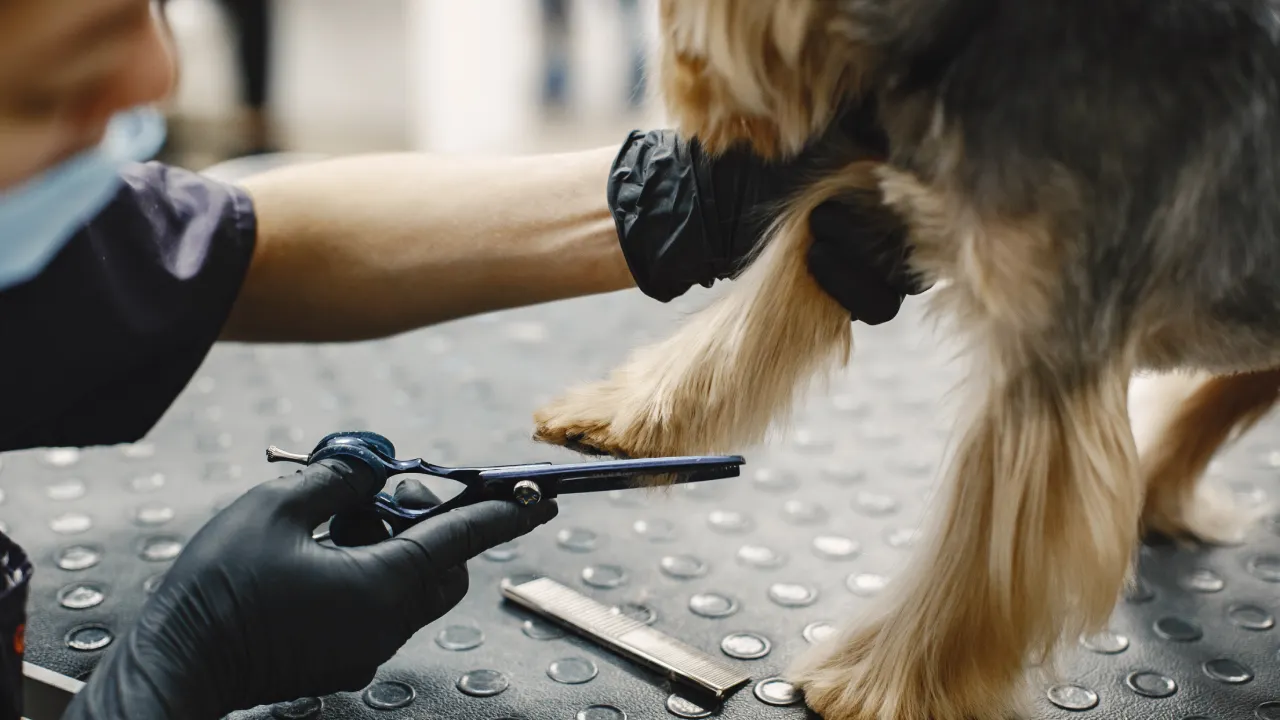
Overgrown nails can affect how pets stand and walk. Long nails may catch on surfaces, split, curl, or press into the paws, causing discomfort.
Grooming Services may include nail trimming as part of routine care. Since nails contain blood vessels and nerves, cutting too far can cause bleeding.
For pets that dislike paw handling, introduce it gradually. Gently touch one paw, offer a reward, and stop if the pet becomes distressed. Repeating short sessions can help pets become more comfortable with routine nail care.
4. Ear and Facial Care Deserves Attention
Some pets have facial folds or long ear hair that can collect moisture, wax, dirt, and debris. Grooming Services can help keep these areas clean, while veterinary staff can assess concerns that need medical attention.
Avoid using household cleaners or unapproved products inside a pet’s ears. Watch for head shaking, scratching, redness, swelling, discharge, unusual odour, or sensitivity, as these may require a veterinary check.
Some pets may also need facial hair trimmed around the eyes. Extra care is needed during trimming to avoid injury.
5. Grooming Creates Opportunities to Notice Changes Early
Pets cannot tell us when they have a lump, sore area, parasite, painful nail, or skin change. Owners may notice these issues while brushing, bathing, drying, or checking the paws.
Grooming Services provide regular opportunities to observe areas that may otherwise go unnoticed. During routine care, watch for hair loss, swelling, crusting, bleeding, parasites, unusual odour, skin changes, or sensitivity to touch.
If you notice something unusual, record when it appeared and whether it is changing or affecting your pet’s behaviour. Grooming does not replace veterinary examinations, but it can help bring attention to changes that may need assessment. Contact your veterinary team when a concern persists, worsens, or causes discomfort.
.
6. Routine Grooming Can Support Comfort
A clean, brushed coat can help pets stay comfortable by reducing loose hair, debris, and tangles. Paw care can also remove dirt and plant material collected between the toes during outdoor activities.
For pets in Squamish, regular checks can be useful after walks through mud, trails, snow, or vegetation. Check the paws, coat, ears, and area around the tail for unwanted debris.
Grooming Services can help when certain care tasks are difficult to manage at home. Safe handling, suitable tools, and a calm routine can make grooming easier. Pets may also feel nervous around dryers, clippers, nail tools, or unfamiliar handling, so grooming should be introduced gradually and at a pace the pet can manage.
7. Grooming Can Fit Into a Wider Pet-Care Routine
Pet care includes feeding, exercise, dental care, parasite prevention, vaccinations, veterinary visits, and coat maintenance. Grooming is one part of this routine.
Grooming Services can complement veterinary care rather than replace it. Grooming may focus on bathing, brushing, nails, and basic hygiene, while veterinary visits address illness, injuries, pain, skin conditions, and ear problems.
A clean coat does not always mean a pet is healthy, and a messy coat does not necessarily indicate illness. Knowing when routine grooming is appropriate and when a veterinary assessment may be needed can help owners make informed decisions about their pet’s care.
Tips for Making Grooming Services for Pets Less Stressful
Grooming Services do not have to become a major event in a pet’s routine. Small steps can make handling more familiar.
Start early when possible. Puppies and kittens can gradually learn that paws, ears, faces, and coats may be handled. Older pets can also learn through slow repetition.
Keep sessions short. A few minutes of calm brushing can be more useful than one long session that ends with frustration.
Use rewards. Small treats, praise, play, or another reward your pet enjoys can create a positive association with handling.
Practice without the tools first. Touch the paws, lift an ear gently, or run your hand through the coat before introducing clippers or nail tools.
Choose the right time. A pet that has had exercise and is settled may tolerate routine handling more easily than a pet that is excited, hungry, or overstimulated.
Do not force a fearful pet through every step. If your pet is panicking, snapping, trying to escape, or showing strong distress, pause and seek advice about a safer approach.
Tell the care team about past reactions. If your pet has previously struggled with grooming, sharing that information before an appointment can help the team plan the visit.
5 Reasons Regular Grooming Services Can Support Hygiene
- Removal of dirt and debris: Regular bathing and brushing can remove material collected on the coat during daily activity.
- Less loose hair: Brushing can remove loose fur before it gathers on furniture, bedding, and within the coat.
- Cleaner paws: Paw checks can remove mud, plant material, and other debris that may collect between toes.
- Coat monitoring: Routine grooming gives owners a chance to look for changes in skin, coat, nails, ears, and paws.
- A consistent care routine: Repeating basic grooming tasks makes it easier to remember coat, nail, and hygiene needs throughout the year.
How Often Should a Pet Be Groomed?
There is no single schedule for every dog or cat. Coat type, hair length, shedding pattern, outdoor activity, age, skin condition, and tolerance for handling all matter.
Short-haired pets may need less frequent bathing but can still benefit from regular brushing and nail checks. Long-haired pets may need more frequent coat care to reduce tangles. Dogs that spend lots of time outdoors may need paw and coat checks after muddy or wet outings.
Ask your veterinary team about the routine that fits your pet’s needs, particularly if there are skin problems, recurring ear issues, painful joints, or strong anxiety around handling.
When Grooming Should Become a Veterinary Question
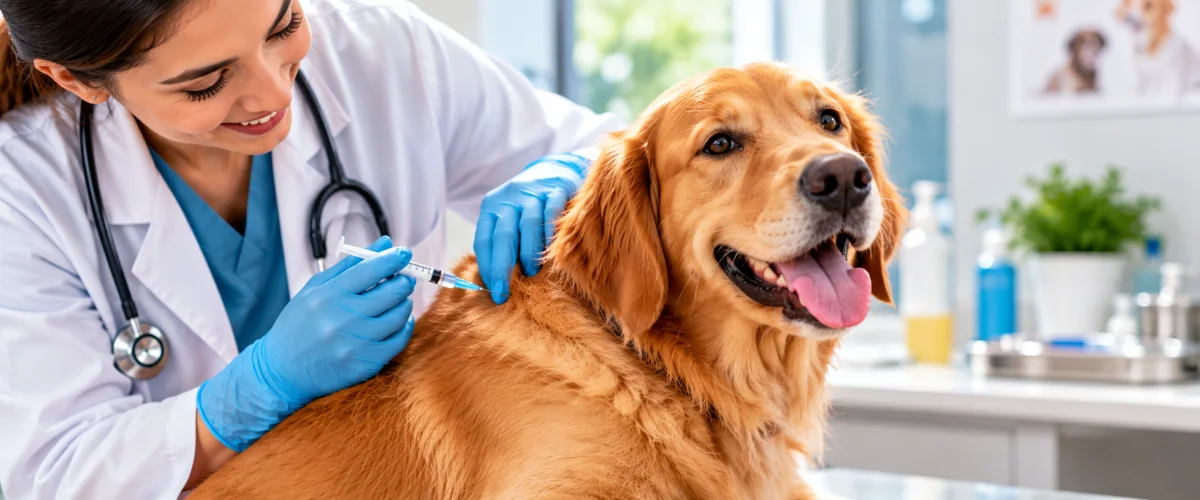
Grooming can reveal issues that need veterinary attention. Contact a clinic if you notice persistent itching, sores, bleeding, swelling, discharge, repeated ear scratching, new lumps, sudden hair loss, or pain during handling.
A veterinary assessment can help identify possible causes such as skin conditions, parasites, infection, allergies, or injury. Avoid using human skin products or leftover treatments without veterinary advice.
For pet owners in Squamish, Alpenlofts Veterinary Hospital provides veterinary care alongside grooming, making it easier to seek assessment when a concern appears.
5 FAQs About Pet Grooming
1. Is grooming only for long-haired pets?
No. Short-haired pets also benefit from brushing, nail checks, paw care, and occasional bathing when appropriate. The frequency depends on the pet’s coat and lifestyle.
2. Can grooming replace a veterinary checkup?
No. Grooming focuses on maintenance and hygiene. Veterinary examinations are needed to assess illness, injury, pain, and other health concerns.
3. What should I do if my pet hates grooming?
Start with short handling sessions at home and use rewards. If your pet shows strong fear or aggression, pause the process and speak with a veterinary team about safer handling options.
4. How can I tell if a mat needs professional help?
If a mat is tight, close to the skin, widespread, or difficult to separate gently, avoid cutting it with household scissors. Ask a grooming or veterinary team how to proceed safely.
5. Should I groom my pet more often after outdoor activities?
Possibly. Pets that spend time on trails, in wet grass, mud, snow, or brush may need more frequent coat and paw checks. Remove visible debris and watch for irritation or injury.
Make Pet Grooming Part of the Routine
For pet owners in Squamish, grooming is not just about a neat coat. It can support cleanliness, help prevent tangles, keep nails at a manageable length, and create regular opportunities to notice changes in the skin, paws, ears, and coat.
If your pet is due for Grooming Services or you have noticed a change that concerns you, contact Alpenlofts Veterinary Hospital to discuss the next step. Alpenlofts Veterinary Hospital is located at 106-40775 Tantalus Rd, Squamish, BC V8B 0N2. The hospital lists grooming among its pet-care services and call us at 604-815-0057.