The Quiet Changes Many Pet Owners Miss Until They Become Hard to Ignore
You know your pet better than anyone. You notice the excited tail wags, the playful zoomies, and the quiet moments on the couch. But what happens when the changes are so subtle that they are easy to ignore?
A little scratching. A missed meal. Less enthusiasm during walks. These moments may seem harmless, yet they can sometimes point to an issue that deserves attention. The sooner you act, the easier it may be to manage many common health concerns.
Let’s look at four areas that often make a difference in your pet’s daily life.
Fleas Are More Than an Annoyance
One flea rarely stays alone for long. Before you know it, your pet may be dealing with constant itching, irritated skin, and restless nights.
Common signs include:
- Frequent scratching or biting at the skin
- Hair loss in patches
- Tiny black specks in the coat
- Red or irritated skin
Regular flea prevention helps reduce the chance of an infestation before it becomes difficult to control. If your pet already has fleas, early action can stop the problem from spreading throughout your home.
Skin Problems Often Start Quietly
Many skin conditions develop gradually. What begins as occasional scratching can eventually become ongoing irritation.
Keep an eye out for:
- Persistent itching
- Red or flaky skin
- Ear irritation
- Excessive licking of paws
- Unpleasant skin odour
Skin concerns may be linked to allergies, parasites, infections, or other conditions. Finding the underlying cause is often the first step toward improving your pet’s comfort.
Heart Health Matters at Every Age
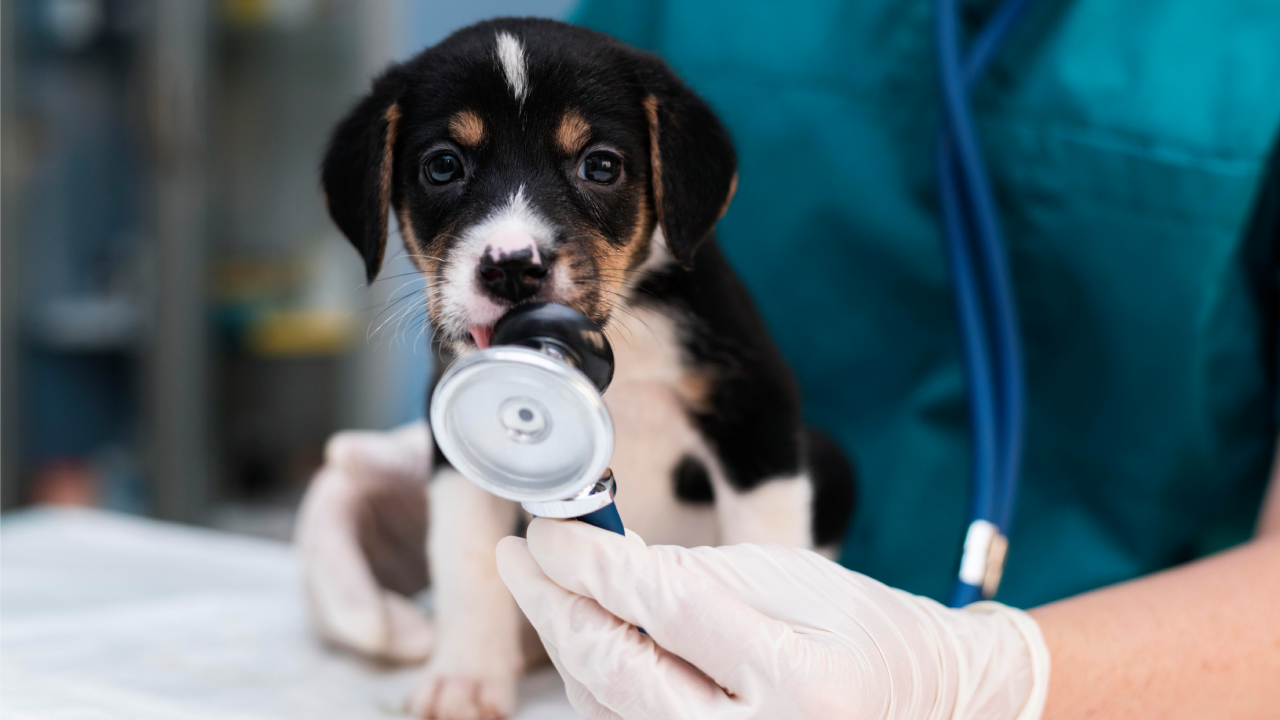
Heart conditions do not always produce obvious symptoms during the early stages. Regular veterinary checkups can help detect changes before they become more serious.
Possible warning signs include:
- Low energy
- Difficulty exercising
- Persistent coughing
- Fast or laboured breathing
- Fainting episodes
Routine monitoring gives your veterinarian an opportunity to evaluate your pet’s cardiovascular health and recommend the next steps when needed.
Routine Medical Assessments Catch Problems Early
Many illnesses become easier to manage when discovered sooner rather than later.
A medical assessment may include:
- A complete physical examination
- Weight evaluation
- Diagnostic testing when appropriate
- Discussion about nutrition and lifestyle
- Review of your pet’s medical history
Even pets that appear healthy can benefit from regular assessments, since some conditions develop without visible symptoms.
Small Changes Are Worth Mentioning
Pets cannot explain when something feels wrong. They often continue acting normally until discomfort becomes difficult to hide.
If you notice changes in appetite, behaviour, energy level, scratching, breathing, or mobility, scheduling an examination may help identify the cause before the issue progresses.
Give Your Pet the Attention They Deserve
Every pet deserves to enjoy daily life without unnecessary discomfort. Whether you have concerns about fleas, skin conditions, heart health, or simply want a routine medical assessment, the team at Alpenlofts Veterinary Hospital is ready to help evaluate your pet’s condition and discuss the next steps.
Book an appointment with Alpenlofts Veterinary Hospital today. A routine visit now may help identify concerns early and keep your furry companion active, comfortable, and ready for many more happy moments with your family.