Water intoxication happens when a dog swallows too much water while swimming or fetching, diluting body sodium and causing swelling that can become an emergency. In Squamish and the Sea-to-Sky corridor, safe-swim habits, current awareness, and blue-green algae caution help keep lake and river outings fun and low-risk.
What Water Intoxication Actually Is
Water intoxication, sometimes called hyponatremia, occurs when a dog takes in more water than the body can process. As dogs repeatedly bite at waves, grab a floating toy, or gulp while paddling, they may swallow large volumes without meaning to. That extra water dilutes sodium in the bloodstream, and because sodium helps regulate fluid balance, cells begin to swell. The brain is especially sensitive to this swelling, which is why the condition can escalate quickly. It is not common, but it is serious, and long high-energy sessions in the water raise the odds. Knowing the mechanism helps you understand why cutting sessions short and watching how your dog drinks matters so much during a hot Squamish afternoon by the water.
Warning Signs to Watch For
Signs of water intoxication can appear during or shortly after a swim or fetch session. Watch for a bloated or distended belly, unusual lethargy or weakness, stumbling and loss of coordination, glazed eyes, drooling, pale gums, or vomiting. In more advanced cases you may notice difficulty breathing, muscle tremors, or a collapse. If your dog seems disoriented after heavy water play, treat it as urgent rather than waiting to see if it passes. Because these signs overlap with heat-related illness and other summer hazards, the safest step is to stop the activity, get your dog somewhere calm and shaded, and contact a veterinary team right away. Early attention gives your dog the best chance, so err on the side of seeking care if anything looks off.
Drowning and Current Risks in Rivers
The Sea-to-Sky area is known for cold, fast-moving glacial and mountain-fed water, and rivers here can carry stronger currents than they appear to from the bank. Even strong-swimming dogs can be pulled off course, tire suddenly in cold water, or struggle to climb out over slick rocks and steep, undercut banks. Snowmelt and rain can raise flow and drop temperatures without much warning. Keep dogs on leash near unfamiliar or fast water, choose calm, shallow entry points over open river channels, and never assume your dog can self-rescue from a current. A canine life vest with a sturdy handle adds a margin of safety, especially for young, senior, or short-legged dogs, and gives you a way to lift your dog out quickly if needed.
Blue-Green Algae: A Serious Warm-Weather Hazard
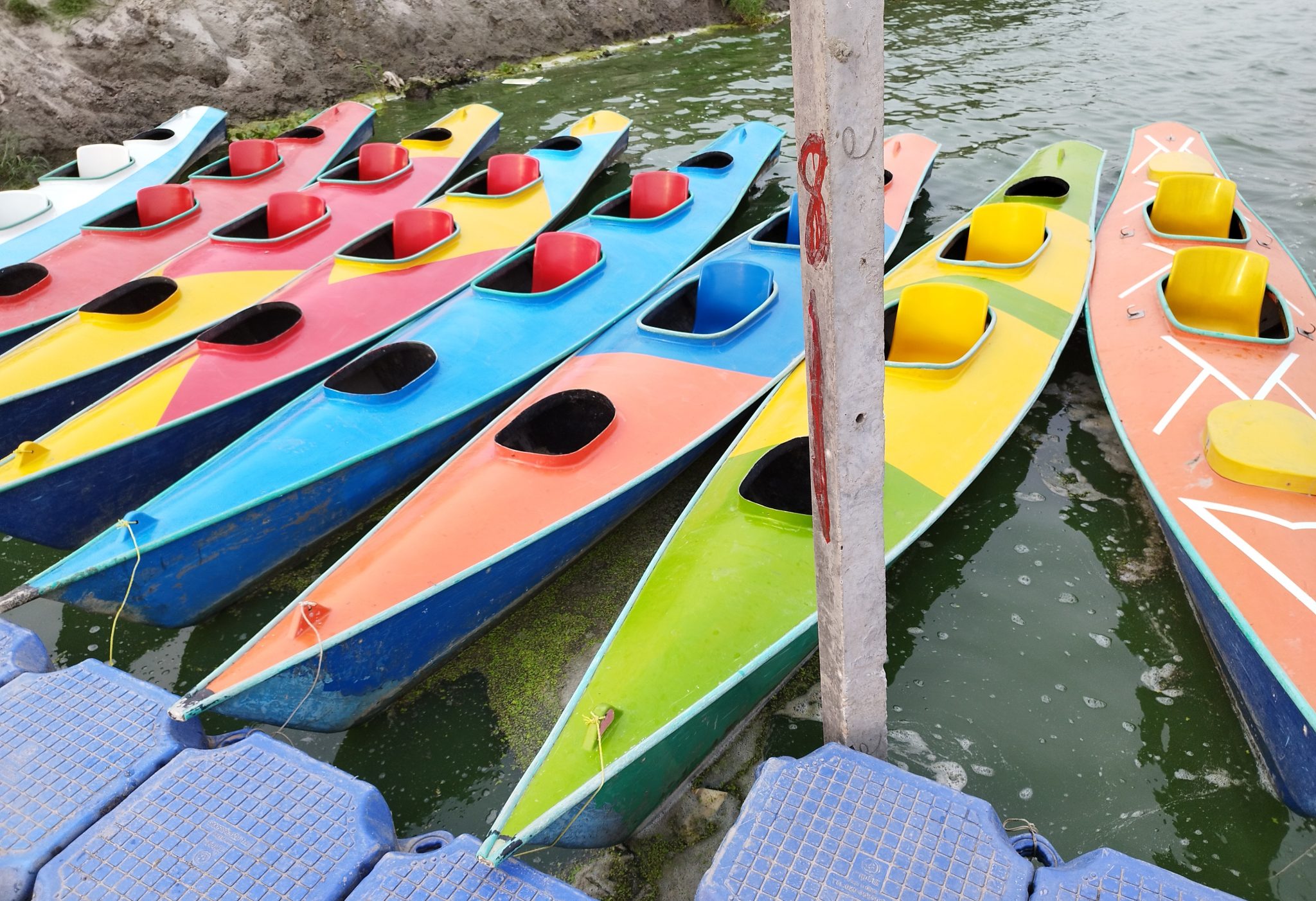
During warm, calm stretches of summer, some lakes and slow ponds can develop blue-green algae, also called cyanobacteria. It may look like green, blue-green, or brownish scum, paint-like streaks, or a pea-soup surface, and some types can be toxic when a dog drinks the water, swims through it, or licks it off their coat. Because you cannot tell a harmful bloom from a harmless one by sight alone, treat any discoloured, foamy, or scummy water as off-limits. If you suspect your dog had contact with a suspect bloom, rinse them with clean water, do not let them lick their fur, and seek veterinary care promptly, since signs can come on fast. When in doubt, keep your dog out and find a clean, moving-water spot instead.
Safe-Swim Habits for Fetch and Play
A few simple habits go a long way. Keep water-fetch sessions short and build in frequent rest breaks so your dog is not constantly gulping and paddling without pause. Choose flat, low-profile toys that sit near the surface rather than ones that force your dog to bite through waves. Offer fresh drinking water on shore so your dog is less driven to swallow lake or river water. Watch for the moment your dog starts to tire, and end the game before that point rather than after. Rinse off after swimming to remove algae, silt, or debris, and dry the ears well to reduce irritation. Building calm, structured play into your routine keeps outings enjoyable and lowers the chance of an over-drinking incident.
Before You Go: Planning a Safe Outing
Preparation matters as much as anything you do at the water. Check that your dog is up to date on their wellness and preventive care, and talk with our team about parasite protection before spending time near lakes and wetlands where bugs and standing water are common. Pack fresh water, a bowl, a towel, and a well-fitted life vest, and know the route to the nearest open veterinary clinic in case of an emergency. If your dog has a heart condition, breathing issues, or is very young or senior, ask about how much water activity is appropriate. Pairing good gear with a quick pre-season check-in and up-to-date medical services helps you head out with confidence. For hot-weather timing, our guide on helping your pet keep cool this summer pairs well with water-safety planning.
When to Seek Veterinary Care
If your dog shows a swollen belly, weakness, stumbling, vomiting, or breathing changes after time in the water, do not wait to see if it improves. The same applies if you think your dog swam through or drank from water with a suspicious algae bloom. Sudden collapse, seizures, or trouble breathing are emergencies. When you are unsure whether what you are seeing is serious, calling for guidance is always reasonable, and our team can help you decide on next steps. Prompt diagnostic testing and supportive care give your dog the best outcome. Alpenlofts Veterinary Hospital is located at 106-40775 Tantalus Rd, Squamish, BC V8B 0N2, and you can reach us at 604-815-0057 or reception@alpenloftsvet.ca to ask about summer pet care services or to book a visit.
Frequently Asked Questions
How much water is too much for a swimming dog?
There is no single safe number, because it depends on your dog’s size and how much they gulp. The bigger concern is repeated, unintentional swallowing during long fetch sessions. Keeping sessions short with frequent breaks and offering fresh drinking water on shore lowers the risk far more than trying to count mouthfuls.
Can water intoxication happen at the beach or only in fresh water?
It can happen in both settings whenever a dog swallows too much water. Salt water carries its own concern, called salt toxicity, from drinking sea water. In the Squamish area, most swimming happens in lakes and rivers, so focus on limiting gulping and taking regular rest breaks during play.
How can I tell if a lake has blue-green algae?
You often cannot tell a toxic bloom from a harmless one by sight. Treat any green, blue-green, or brownish scum, foam, or pea-soup-looking water as unsafe and keep your dog out. When water looks discoloured or has surface streaks, choose a clean, moving-water spot instead.
Should my dog wear a life vest for river swimming?
A well-fitted life vest with a handle is a smart choice near cold or fast-moving water, and for young, senior, or short-legged dogs. It adds buoyancy, helps you lift your dog out quickly, and does not replace close supervision and current awareness.