Before heading out on Squamish trails, make sure your dog is up to date on vaccinations and parasite prevention, carries visible identification, and is fit enough for the outing. Bring water, watch for signs of overheating or injury, and know where to reach your veterinarian. A quick pre-adventure wellness check helps prevent problems on the trail.
Before You Hit the Trail
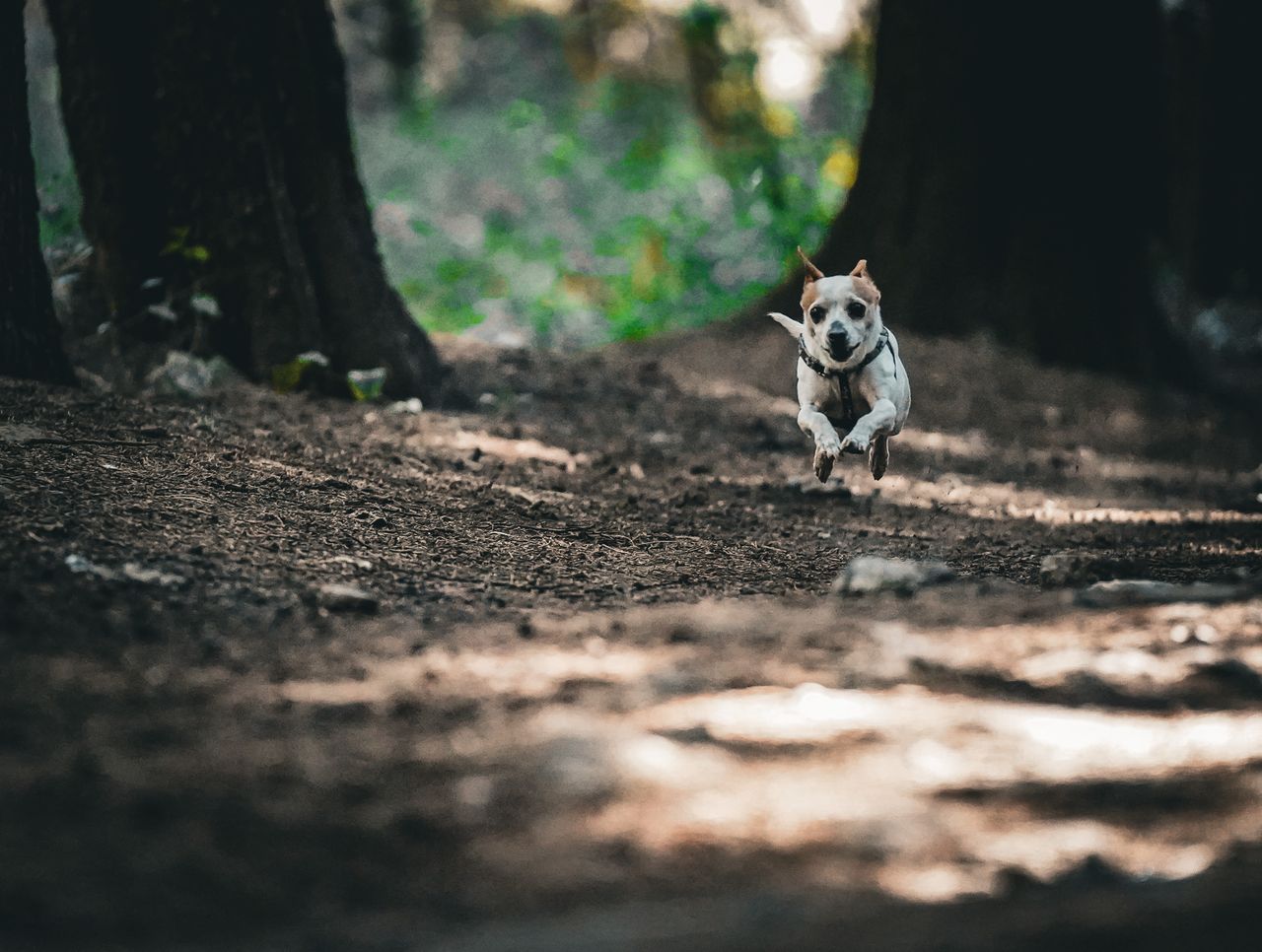
The Sea to Sky corridor is a paradise for active dogs, but a great day outdoors starts before you leave home. A few minutes of preparation protects your pet from the kinds of trouble that can cut an adventure short.
Make sure vaccinations and parasite prevention are current, since ticks and other hazards are part of life on local trails. A visit for wellness care is also a good chance to confirm your dog is fit for the activity you have planned, which matters most for puppies, senior dogs, and pets with existing health conditions.
- Update vaccinations and parasite prevention for fleas, ticks, and worms
- Fit a comfortable collar or harness with visible identification, and confirm the microchip details are current
- Pack fresh water and a collapsible bowl for both of you
- Match the route to your dog’s age and fitness, and build up distance gradually
- Check the weather and trail conditions before you set out
It also helps to be honest about your dog’s recall and trail manners. A reliable recall, or a long line in busier areas, keeps your dog safely close to wildlife, other hikers, and their dogs. Knowing your own limits matters too, because a tired handler is more likely to miss the early signs that a dog needs a rest or a turn back toward the car.
Pack Smart for a Safe Outing
A small, well-chosen kit makes outings safer and more comfortable. Along with water and a bowl, consider packing a basic pet-friendly first aid kit, a spare leash, waste bags, and a towel for muddy paws or a quick dry-off after a swim. A tick remover is worth carrying in the Sea to Sky area, and a current photo of your dog on your phone can help if you ever become separated.
On warm days, plan your route around shade and water access, and aim for early mornings or evenings when temperatures are gentler. Dogs cool themselves mainly by panting, so they can overheat far faster than we expect on an exposed climb.
Common Trail and Outdoor Hazards
Knowing what to watch for helps you react quickly if something goes wrong. In and around Squamish, some of the most common outdoor hazards for dogs include:
- Overheating, especially on warm days or steep climbs
- Paw injuries from rough terrain, sharp rocks, or hot surfaces
- Ticks and the diseases they can carry
- Foxtails, grass seeds, and other plant material that can lodge in ears, eyes, or paws
- Unexpected encounters with wildlife
- Drinking from stagnant water, which can upset the stomach
Water deserves special caution. Fast-moving rivers and cold alpine lakes can be dangerous even for strong swimmers, and stagnant ponds may harbour bacteria. Let your dog rest before offering a swim, and discourage drinking from standing water by keeping fresh water on hand.
While cats are far less likely to join a hike, outdoor cats face many of the same parasite and injury risks, so keeping their prevention up to date matters just as much.
Signs Your Dog Needs to See a Veterinarian
Some issues can wait for a regular appointment, while others need prompt attention. Contact your veterinary team if you notice any of the following after time outdoors:
- Limping that does not improve with rest, or an obvious wound
- Heavy panting, drooling, weakness, or collapse, which can signal overheating
- Repeated vomiting or diarrhea after a trip
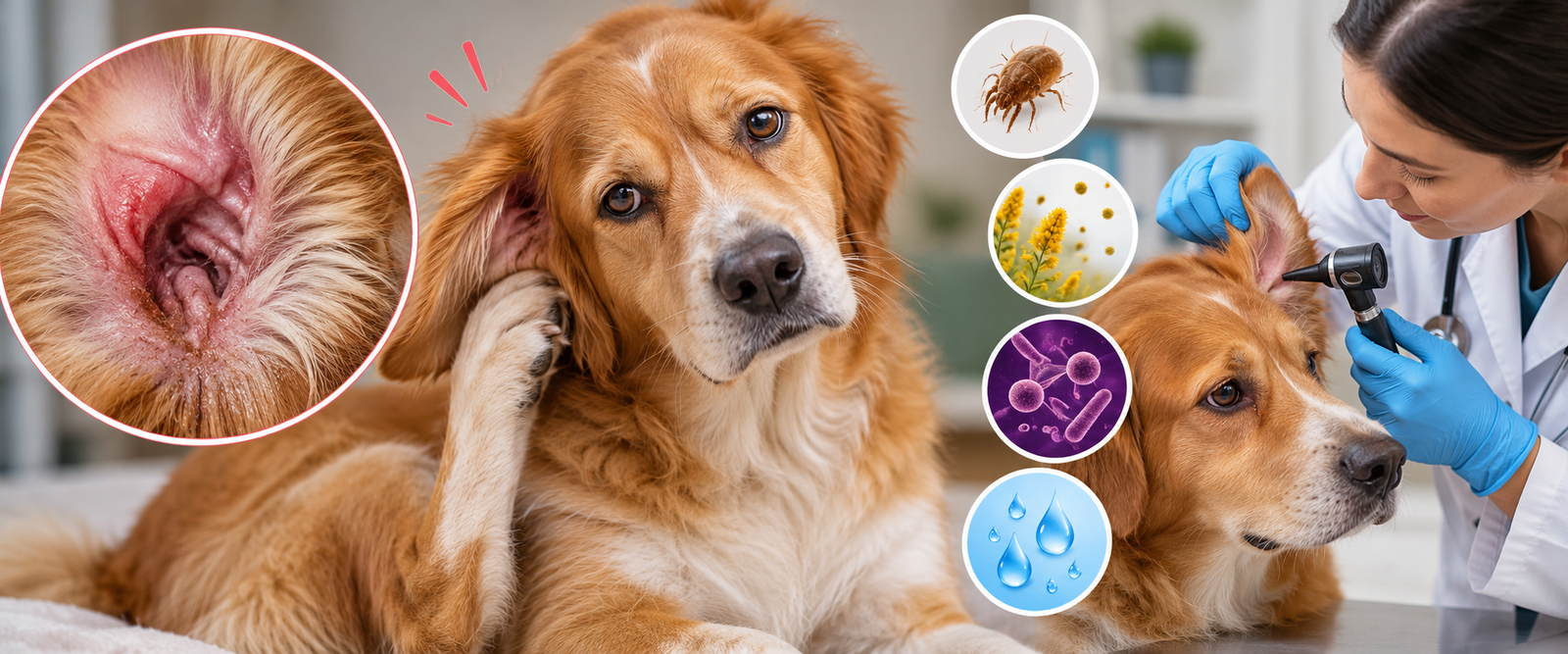
- Swelling, redness, or discharge around the eyes, ears, or paws
- A tick you cannot safely remove, or a bite that looks irritated
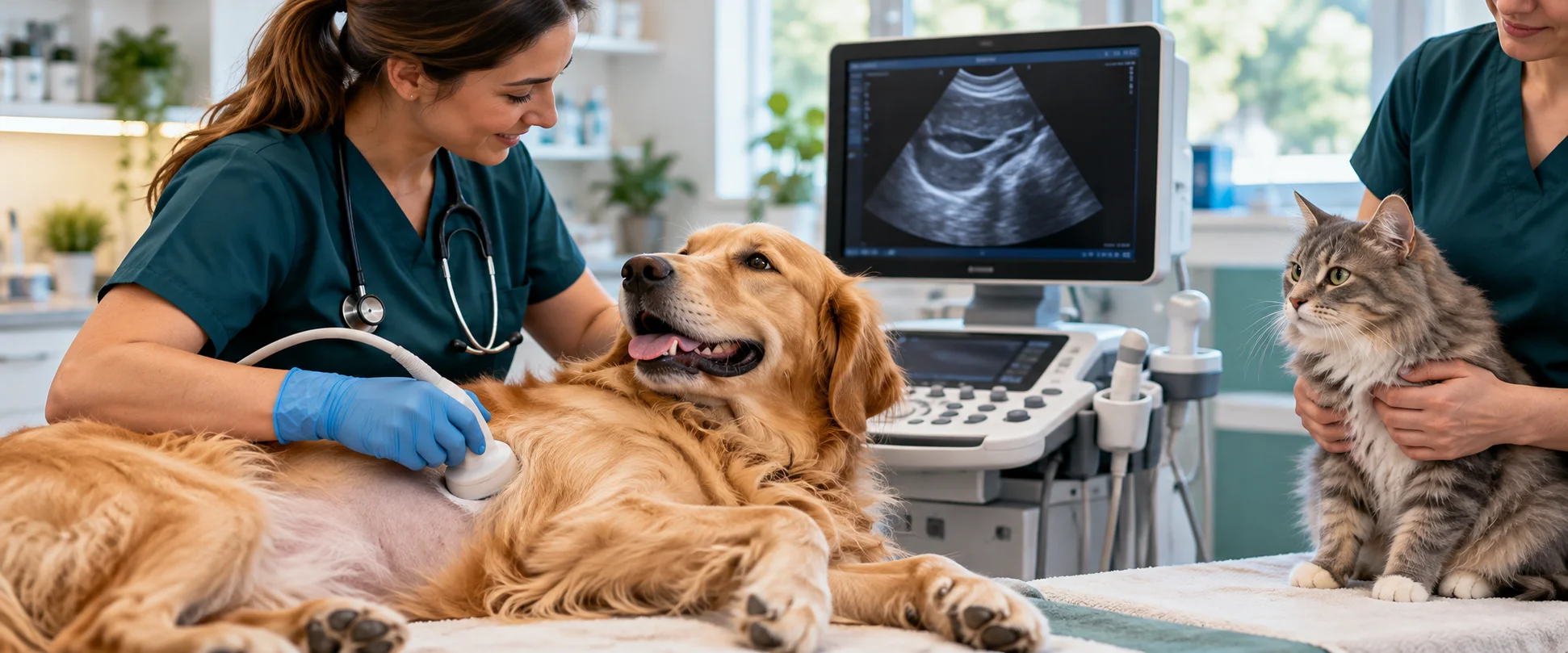
When something seems off, medical services and pet diagnostics such as blood work and imaging help the team find the cause quickly and get your companion back on their paws.
Fuel and Recovery for Active Pets
Adventure takes energy, and the right diet supports it. Active dogs can have very different needs than stay-at-home companions, and nutrition counseling can help you match food and portions to your pet’s lifestyle and life stage.
After a big outing, give your dog time to rest, check their paws and coat for burrs, cuts, or ticks, and offer water in small amounts rather than all at once. A calm cool-down helps your dog recover well and keeps them eager for the next adventure.
Watch for delayed soreness in the day or two after a demanding trip, especially in dogs that are new to longer distances. Stiffness that lingers, a reluctance to jump or climb stairs, or licking at one particular paw are all worth mentioning to your veterinary team.
Frequently Asked Questions
How do I know if my dog is fit enough for a hike?
Start with your dog’s age, weight, and any health conditions, then build up activity gradually. A wellness exam is the best way to confirm your dog is ready for more demanding outings, particularly for puppies, senior dogs, and breeds prone to joint or breathing concerns.
Should I worry about ticks in the Sea to Sky area?
Yes. Ticks are present in many outdoor areas, so keep parasite prevention current and check your dog’s coat after every outing. If you find a tick you cannot remove safely, your veterinary team can help.
Do you treat both dogs and cats?
Yes. Alpenlofts Veterinary Hospital cares for both dogs and cats across Squamish and the Sea to Sky corridor.
What are your hours?
Alpenlofts Veterinary Hospital is open on weekdays from 8:00 AM to 6:00 PM, and on weekends from 9:00 AM to 5:00 PM.