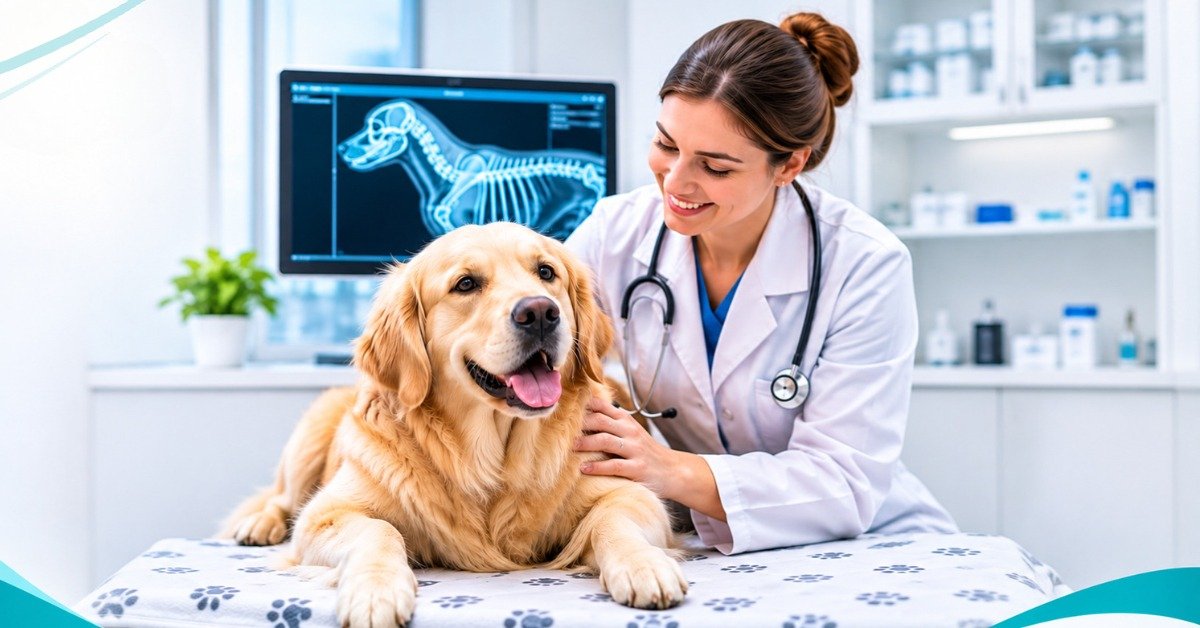
Your dog can’t tell you when they are in pain, but changes in their behavior, eating habits, and energy levels can sometimes be signs of a problem. Veterinarians use a variety of imaging techniques, including X-rays, to investigate the problems they cannot see. X-rays provide photographs of your pet’s internal body structures. But when should your pet need an X-ray, and what should you expect?
Let’s explore X-rays and some of the other veterinary procedures your pet may need.
What Are Dog X-Rays?
Dog X-rays are a type of diagnostic imaging that use small doses of radiation to create internal images of your pet.
X-rays are generally quick, non-invasive, and painless. Depending on your dog’s condition, the veterinarian may recommend additional imaging or specialist diagnostic services for a more detailed evaluation.
When Should Your Dog Get an X-ray?
Your veterinarian may recommend an x-ray if your dog is having any of the following issues:
- Limping: X-rays help identify the cause of limping, such as fractures, joint problems, or abnormalities.
- Accidents: After being in a car or other type of accident, X-rays help identify if there are any internal problems or fractures.
- Coughing: Chest X-rays help evaluate the lungs and other problems that may be causing your pet to cough.
- Swallowed Objects: If your dog swallowed an object, X-rays may help identify where the object is.
- Digestive Issues: Vomiting, abdominal pain, and abdominal swelling may be evaluated with diagnostic imaging.
- Pain: If no cause for pain is apparent with a physical exam, x-rays may be helpful.
- Emergencies: If your pet is having severe breathing difficulties, sudden collapse or if your pet has severe trauma, go to the nearest veterinary hospital for emergency care.
What Happens During a Dog X-Ray?
The veterinarian determines the area of the body that needs to be x-rayed and positions your dog on the exam table. The time it takes to complete the procedure varies, and your dog may have to stay still for a long time for clear x-rays.
If your dog is unable to stay still, the veterinarian may sedate your dog for the procedure. After the X-rays are completed, the veterinarian reviews the images to explain the findings and recommend appropriate treatment as part of comprehensive pet care services in Vancouver.
Are Dog X-Rays Safe?
The x-ray machine is designed to safely produce the amount of radiation necessary to obtain the x-ray image. The radiographer, veterinarian, and assistants in the room all protect themselves with lead vests and other means.
How Can You Prepare Your Dog for Veterinary Imaging?
Your veterinarian will give you some instructions to follow before your appointment. Depending on what procedure your dog is having, your dog may need to avoid food for a certain time period, particularly if sedation is planned.
Bring information about your dog’s recent injuries, symptoms, and behavior. These may impact the decision of your veterinary team.
Frequently Asked Questions
1. How long is a dog X-ray?
It takes only a few minutes to get an X-ray, but it may take longer to get the dog in the correct position.
2. Is sedation necessary for X-rays?
Not necessarily. If a dog is very anxious or uncomfortable, they may be sedated to allow for better images.
3. Can X-rays detect stomach problems in dogs?
Absolutely. X-rays can help identify foreign objects in the stomach, obstructions and abnormal gas patterns.
4. Are X-rays painful?
No, the imaging process is completely painless. However, there may be some discomfort if the dog is being positioned with an existing injury.
5. When should I call the veterinarian?
You should call your veterinarian if your dog is exhibiting any kind of pain for which there is no obvious explanation, severe or frequent vomiting, limping, change in their breathing or behavior.
Your dog’s health is important!
If you are concerned about any abnormal symptoms your pet may have, or if your pet needs diagnostic imaging, it is better to have your vet check it out as soon as possible before the situation gets worse. Contact Alpenlofts Veterinary Hospital to speak with someone about your dog. They will always be willing to work with you to help your pet!