Animals can’t just tell you when something’s wrong, so as a pet owner, you learn to spot changes in their behavior or how they look. Those little signals are important — they might mean there’s something brewing under the surface. Luckily, with modern tests, vets have all
sorts of ways to dig deeper and figure out what’s going on. One of the best tools? The ultrasound. It lets vets check out your pet’s insides without any fancy surgery.
If you want to keep your dog or cat feeling their best, it helps to know why these tests matter and what they can reveal. Let’s break down a few key things about ultrasounds for pets — including how they work and what they can tell you.
What’s an Ultrasound?
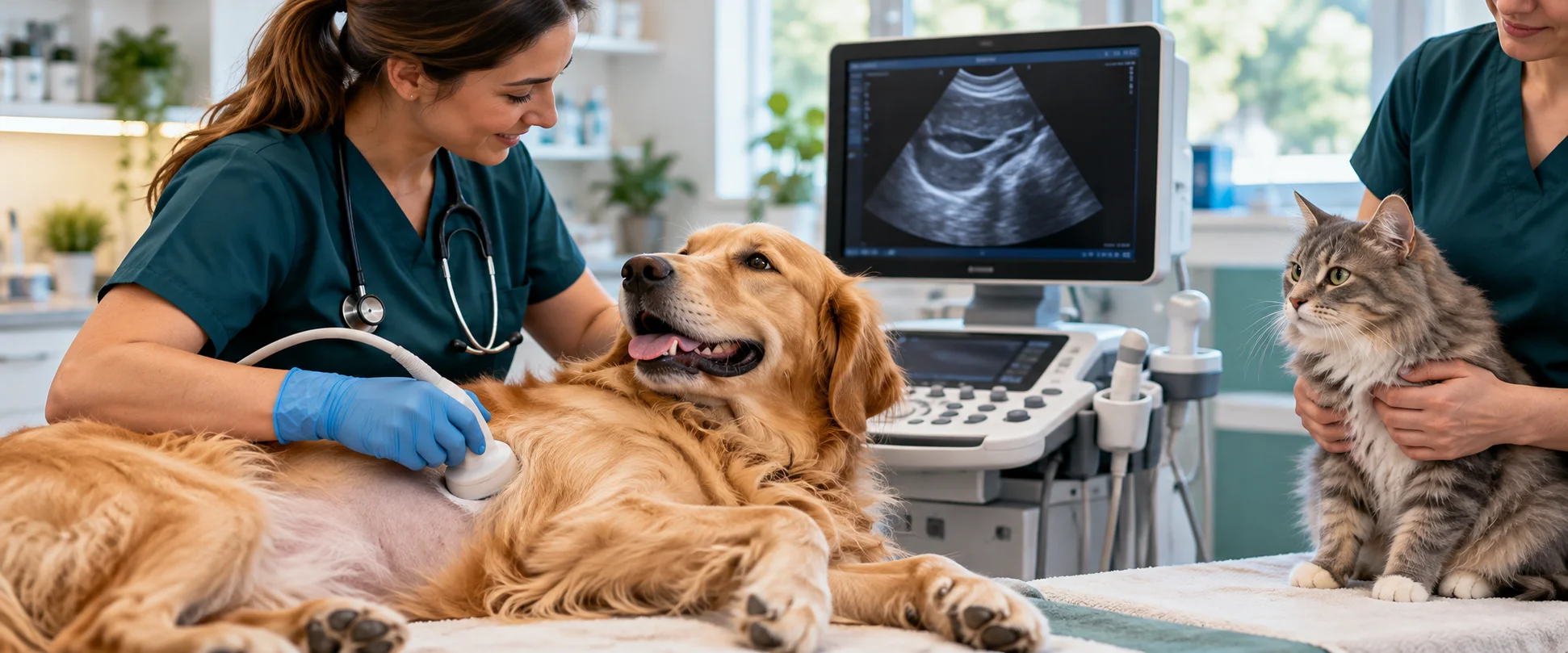
It’s a simple, non-surgical scan that uses high-frequency sound waves to look at internal organs and soft tissues. Unlike X-rays (which are better for bones or some heart stuff), an ultrasound is perfect for examining things like the liver, kidneys, and bladder. Your vet might recommend one if they notice something odd during an exam or see weird results on a basic test. The best part? It’s safe and doesn’t zap your pet with any radiation.
What Can an Ultrasound Do?
Ultrasounds cover a lot of ground. Depending on what your pet’s symptoms look like, your vet might use it for:
1. Checking Abdominal Organs
Need to see what’s happening with your dog or cat’s liver, spleen, kidneys, or pancreas? An abdominal ultrasound gives vets a close-up view. They can spot weird fluid, growths, or changes in the size or texture of these organs.
2. Bladder & Urinary Tract Problems
If your dog or cat starts acting funny about potty habits, that could mean something’s up with their bladder or urinary tract. With an ultrasound, vets can catch problems like bladder stones, thickened bladder walls, or other oddities. And since cats tend to hide when they feel bad, it really pays to ask your vet about any concerns. Some issues in this area can get serious fast.
3. GI Tract Troubles
Throwing up or struggling with digestion? Ultrasounds help vets get a good look at the GI system — how the liver, spleen, and intestines are holding up. They can spot unusual growths, fluid spots, or swolen lymph nodes. Sometimes your vet wil mix in physical exams and blood work to figure out what’s realy going on.
4. Confirming Pregnancy
Ultrasounds aren’t just about finding problems — they’re great for confirming pregnancy. They also help vets check out the reproductive system for any strange bumps or changes. Timing matters too, so your vet will help you schedule it right.
5. Heart Issues
There’s a special kind of ultrasound for the heart called an echocardiogram. Vets use it to check heart valves, track rhythm, and find any fluid buildup or other complications. Sometimes other tests are needed as well to get the full picture and plan treatment.
When Does Your Pet Need an Ultrasound?
If your dog or cat is vomiting, dropping weight for no reason, or showing signs that something serious is up, your vet might suggest an ultrasound. It’s also handy when tests come back abnormal or an organ looks suspicious. That said, ultrasounds aren’t always needed for generic tummy aches or mild issues. Your vet will let you know if it’s time to get a scan — especialy if they think cancer or a major organ problem could be behind it.
Sometimes, things get urgent. If your pet can’t pee, is in serious pain, collapses, or shows symptoms like excessive thirst and frequent peeing, don’t wait. Call your vet right away.
Getting Your Pet Ready
Prep depends on the reason for the scan and your vet’s advice. Sometimes, you’ll need to stop food and water for a little bit. Never make young, diabetic, or fragile pets fast without asking your vet first. The area where they scan might need to be shaved, but most pets handle
ultrasounds just fine. Some need a little sedation, especially if they get anxious or squirmy.
The team at Alpenlofts Veterinary Hospital will walk you through what you need to do so your pet stays calm and safe.
Why Ultrasound Matters
Ultrasounds are a big deal in veterinary care. They help vets spot health issues and plan next steps — all without surgery. At Alpenlofts Veterinary Hospital, we use them as part of our Pet Care Services to catch problems early and put the right treatment in place. Remember, the results need to be matched with other tests and your pet’s symptoms, so don’t go off just the scan.
Book With Alpenlofts Veterinary Hospital
If your dog or cat is acting off — maybe something’s not right, but you’re not sure what — reach out to Alpenlofts Veterinary Hospital. We’ ll help you decide if ultrasound or another test is best for your pet. Our team’s ready to answer questions and get your buddy back on track through our specialist diagnostic services.
Frequently Asked Questions
1. Is ultrasound safe for pets?
Yes, it’s a safe way for vets to check for health problems.
2. How long does an ultrasound take?
Usually, anywhere from 20 minutes to an hour, depending on your pet’s needs.
3. Does my pet need anesthesia?
No, not usually. Some pets may need sedation if they’re extra nervous or wiggly.
4. Can ultrasound spot cancer?
It helps find abnormal growths, but more testing is needed to confirm cancer.
5. Is ultrasound better than an X-ray?
Both are useful for different reasons. Your vet will tell you which is best for your pet.
6. When will I get results?
Your vet team will walk you through the findings and what they mean for your pet’s health.