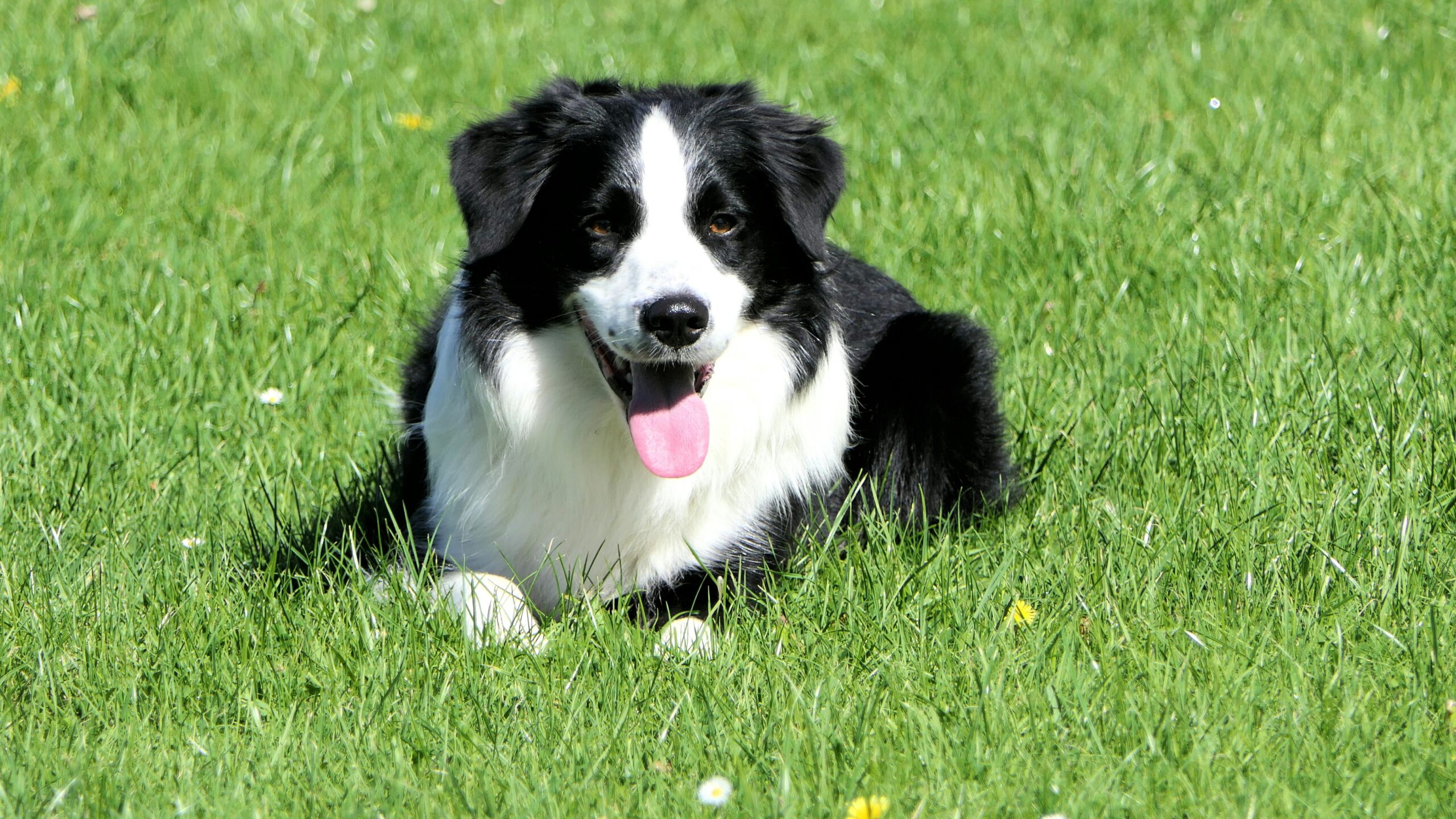
As winter settles into Squamish, BC, indoor heating becomes a daily necessity. While warm indoor spaces provide comfort for families and pets alike, prolonged exposure to heated environments may affect a pet’s skin and coat health. Many pet owners are surprised to learn that common winter skin concerns are often linked not to outdoor cold, but to dry indoor air.
Understanding how indoor heating influences skin and coat condition can assist pet owners in making small adjustments that support comfort during winter months.
How Indoor Heating Changes the Environment
Heating systems reduce humidity in the air. As indoor air becomes drier, moisture is drawn away from skin and fur. Pets may be particularly sensitive to these changes, especially those that spend most of their time indoors during winter.
Veterinarians commonly explain that reduced humidity may weaken the skin’s natural barrier, making it more prone to dryness and irritation.
Common Winter Skin and Coat Changes
Pet owners in Squamish may notice:
- Flaky or dry skin
- Increased scratching or licking
- Dull or brittle coat texture
- Static electricity in fur
- Mild redness or sensitivity
These changes may develop slowly and are sometimes mistaken for seasonal shedding or behavioral habits.
Why Winter Grooming Requires Adjustment
Winter grooming needs often differ from those in warmer months. Over-bathing can remove natural oils that help protect the skin, while infrequent grooming may allow dry skin and loose fur to accumulate.
Veterinarians often recommend balanced grooming routines that support skin health without over-stripping natural moisture. Brushing can assist in distributing oils and improving circulation, which may help maintain coat condition.
Supporting Skin Health During Heated Months
Small environmental adjustments may assist in maintaining skin comfort. Using humidifiers in living spaces can help counteract dry air. Providing fresh water at all times supports hydration, which plays a role in skin health.
Nutrition discussions during veterinary visits often include coat and skin considerations, as diet contributes to overall skin integrity. Any dietary changes are typically approached gradually and under professional guidance.
When Veterinary Advice Is Helpful
Because skin symptoms can have multiple causes, professional assessment is important when changes persist or worsen. Routine wellness exams allow veterinarians to evaluate skin and coat condition and discuss winter-specific care strategies.
At Alpenlofts Veterinary Hospital on Tantalus Road in Squamish, veterinarians frequently address seasonal skin and coat concerns related to indoor heating. These conversations help pet owners understand whether changes are environmentally influenced or require further evaluation.
Conclusion
Indoor heating provides warmth and comfort during Squamish winters, but it may also influence a pet’s skin and coat health. By recognizing early signs of dryness and making thoughtful adjustments, pet owners can support comfort throughout the season. Ongoing veterinary guidance remains an important part of managing winter-related skin concerns.
Disclaimer:
This content is provided for general educational purposes only and is not a substitute for veterinary advice. For questions about skin, coat changes, or winter care, consult Alpenlofts Veterinary Hospital, Tantalus Road, Squamish, BC. Phone: 604-815-0057.